
Garage doors are one of the most frequently used systems in modern homes. With daily use, it’s no surprise that issues can arise over time. These garage door repair problems may start small, like squeaky noises, but can quickly escalate into serious concerns affecting safety and security. Understanding the most common garage door issues helps homeowners address minor problems early and recognize when it’s best to call a professional. This guide highlights 15 typical problems and explains when to bring in an expert technician.
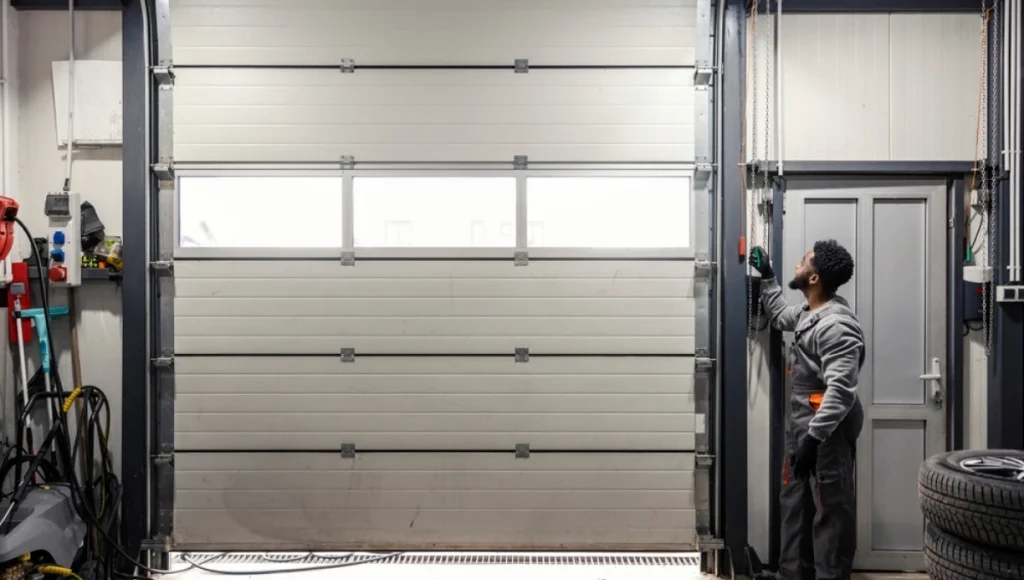
15 Common Garage Door Repairs Problems
1. Broken Garage Door Springs
Garage door spring repair is one of the most common and dangerous issues. Springs bear the load of the door and can snap after prolonged use. A broken spring can render the door inoperable and cause sudden falls. DIY replacement is risky—always call a professional.
2. Worn or Frayed Cables
Cables help lift and lower the door. Over time, they can fray or snap, especially under tension. This can cause the door to hang unevenly or get stuck. Frayed cables are a serious safety risk and require immediate attention from a technician.
3. Malfunctioning Garage Door Opener
If your garage door opener isn’t responding, the issue might stem from faulty wiring, dead batteries, or internal circuit problems. Advanced garage door technology in openers can be complex—leave diagnostics and repairs to a trained technician.
4. Misaligned or Bent Tracks
Tracks guide the door’s movement. If they’re bent or out of alignment, the door may jam or move unevenly. This issue often results from accidental impacts. Attempting to realign them without proper tools can make things worse.
5. Damaged Rollers
Rollers allow smooth door movement along the tracks. Damaged or worn-out rollers create noisy, jerky motion and strain the opener. Replacing rollers requires precision and often involves disassembling parts of the door system.
6. Unresponsive Remote Control
Sometimes, the remote stops working due to signal interference, drained batteries, or syncing issues. If fresh batteries don’t fix it, the problem may lie in the opener’s receiver, which a technician should inspect.
7. Garage Door Won’t Open or Close Fully
This is a frequent garage door repair problem. Causes range from sensor misalignment and track obstructions to limit switch malfunctions. Diagnosing the exact source can be tricky without technical knowledge.
8. Photo-Eye Sensor Misalignment
The photo-eye sensors are a safety feature that stops the door if something is in its path. If misaligned or dirty, they prevent the door from closing. This is a common garage door issue that’s simple to fix but sometimes needs recalibration.
9. Loud or Squeaky Operation
Screeching or grinding noises during operation usually point to poor lubrication, worn hardware, or aging components. While lubricating can help, persistent noise suggests deeper mechanical wear requiring professional repair.
10. Loose or Broken Hardware
Over time, bolts, brackets, and hinges can loosen or break. This causes unstable door movement and can lead to further damage. Regular inspection helps, but a technician should handle severe wear.
11. Garage Door Off Its Track
If the door jumps off its tracks, it becomes dangerous and unusable. This usually results from cable or spring failure or an impact. Never force the door back—this is a clear sign you need garage door repair by an expert.
12. Weather Seal Damage
A damaged bottom seal or side weatherstripping lets in dust, moisture, and pests. It also reduces energy efficiency. Replacing seals might seem simple, but getting the fit right requires precision.
13. Slow Door Response
If your door hesitates when opening or closing, the issue may be with the opener settings, worn gears, or friction from other components. This is often an early sign of system wear.
14. Sagging or Unbalanced Door
If one side of the door droops or the door seems too heavy to lift manually, it’s likely unbalanced. This can damage the opener and lead to more severe mechanical issues if ignored.
15. Manual Release Not Working
The manual release allows you to open the door during a power outage. If it’s jammed or nonfunctional, you may be stuck in an emergency. This is one of the most overlooked but essential garage door repair problems.
When to Call a Technician
Not every garage door issue requires a professional, but certain problems should never be handled without one. Call a technician if you notice signs you need garage door repair such as loud grinding noises, door imbalance, jerky movements, or repeated failure to open or close. Garage door spring repair, cable replacements, and track realignment are all tasks best left to trained professionals due to the risk of injury. If the door has completely stopped functioning or is stuck halfway, seek emergency garage door repair to restore access and safety. Modern garage door technology is complex, and DIY fixes may void warranties or lead to bigger issues. Whenever you’re in doubt or feel uncomfortable diagnosing a problem, it’s best to contact a certified technician who can assess and resolve the issue efficiently and safely.