
When a garage door stops working smoothly, one of the most common culprits is the cable system. Garage door cables play a crucial role in lifting and lowering the heavy door safely. A frayed, snapped, or misaligned cable can cause serious safety risks and leave your garage door inoperable. That’s why understanding garage door cable repair issues is essential for every homeowner.
In this article, we’ll cover how to identify problems, when to call professionals, and provide a detailed step-by-step guide on how to replace garage door cables safely.
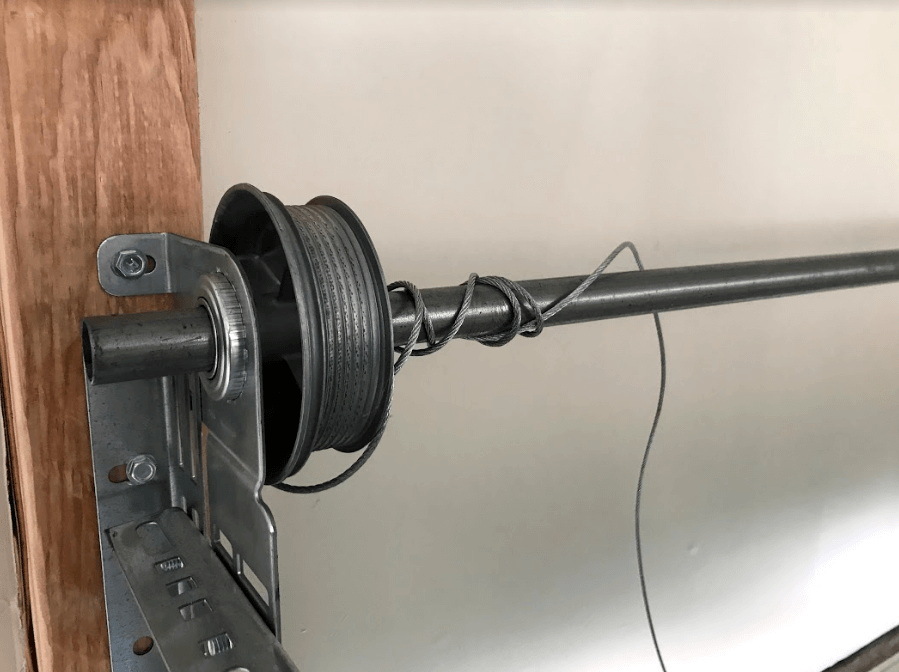
Why Garage Door Cables Are Important
Garage door cables work in conjunction with torsion springs or extension springs to balance the weight of the door. Without them, your opener would not be able to lift the door. These cables:
- Distribute the tension of the springs evenly.
- Ensure smooth and balanced movement of the door.
- Prevent the heavy door from slamming shut unexpectedly.
When they fail, you may face difficulties operating the door, or worse, a safety hazard.
Identifying Broken Garage Door Cables
Spotting issues early can save you money and prevent accidents. Here are the most common garage door cable problems:
1. Visible Fraying or Rust
Over time, cables made of steel can rust, corrode, or fray. If you notice broken strands or rust spots, replacement is necessary before the cable snaps completely.
2. Garage Door Cable Snapped
If your garage door cable snapped, the door will likely become crooked or jammed. In this case, stop using the door immediately and arrange for repair.
3. Uneven or Jerky Door Movement
A door that tilts to one side or shakes while moving often indicates a cable problem. This happens when one cable is looser or broken, putting uneven pressure on the door.
4. Loose Cables Around the Drum or Pulley
If the cable has slipped off the drum or pulley, it may look tangled or hanging. This can occur after the door hits an obstruction or due to wear.
5. Sudden Loud Bang or Noise
A loud sound may occur when a cable or spring breaks. This should not be ignored as it signals a serious malfunction.
Common Garage Door Cable Repair Issues
Cables are under high tension, so improper handling can cause injury. Typical repair issues include:
- Cable coming off the drum – often happens when torsion spring tension is uneven.
- Broken garage door cable – requires immediate replacement to restore safe function.
- Cable wear and tear – gradual fraying due to friction and age.
- Misaligned pulleys – causing cables to rub and wear out prematurely.
If you’re unsure about the cause, contact professional garage door repair services.
How to Fix Garage Door Cable Safely
While some minor adjustments can be done by experienced DIYers, replacing cables is a high-risk job. Before you attempt any repair, keep in mind:
- Disconnect the automatic opener to avoid accidental activation.
- Never attempt to adjust torsion springs without proper tools and training.
- Wear protective gloves and safety glasses.
If you’re inexperienced, calling a licensed technician is always the safer option.
Step-by-Step Guide: How to Replace Garage Door Cable
If you have the right tools, experience, and safety precautions in place, here’s a general process for garage door cable replacement.
Tools You’ll Need
- Replacement cables (matched to your door type)
- Winding bars (for torsion spring doors)
- Locking pliers or clamps
- Adjustable wrench
- Ladder
- Safety gear (gloves, goggles)
Step 1: Disconnect Power and Secure the Door
- Unplug the opener and ensure the garage door is fully closed.
- Place clamps on the track below the bottom roller to keep the door from moving.
Step 2: Release Spring Tension (For Torsion Spring Doors)
- Insert winding bars into the winding cone and carefully unwind the spring tension.
- This is the most dangerous part of the process, so proceed with extreme caution.
Step 3: Remove the Old Cable
- Detach the old broken garage door cable from the bottom bracket.
- Follow it up to the drum or pulley and remove it completely.
Step 4: Install the New Cable
- Attach one end of the new cable to the bottom bracket.
- Thread the cable up along the track, wrapping it around the drum or pulley.
- Ensure it sits tightly in the grooves of the drum.
Step 5: Tighten and Secure
- For torsion spring systems, rewind the spring tension with winding bars carefully.
- For extension spring systems, reattach the spring and pulley assembly.
- Double-check cable alignment to avoid tangling or uneven tension.
Step 6: Test the Door
- Remove clamps and reconnect the opener.
- Open and close the door manually to ensure smooth operation.
- The door should move evenly without jerking or tilting.
When to Call Professional Garage Door Repair Services
DIY fixes are possible, but given the risks, most homeowners should leave garage door cable repair issues to trained technicians. You should call a professional if:
- Both cables are broken or severely frayed.
- You’re dealing with torsion springs (high tension makes this dangerous).
- The door is stuck halfway and won’t move.
- You’re unsure about handling tools or spring tension.
Professional technicians bring the right equipment, expertise, and safety training to replace cables quickly and correctly.
Preventing Future Garage Door Cable Problems
Proper maintenance reduces the likelihood of cable failure. Here are some preventive tips:
Regular Inspection
Check cables monthly for signs of fraying, rust, or slack.
Lubrication
Apply garage door lubricant to pulleys, rollers, and springs to reduce friction. Avoid over-lubricating cables directly.
Balanced Door Check
Disconnect the opener and lift the door halfway. If it doesn’t stay in place, spring or cable adjustment may be required.
Professional Tune-Ups
Schedule annual garage door cable repair services to ensure cables, springs, and openers are all functioning safely.
Conclusion
Your garage door cables may be small components, but they play a huge role in safety and functionality. From identifying warning signs like a garage door cable snapped to knowing when to call a professional, being informed helps you act quickly and prevent accidents.
If you’re an experienced DIYer, our step-by-step guide on how to fix garage door cable provides a framework for safe replacement. However, for most homeowners, professional garage door repair services are the best choice to ensure lasting and safe operation.