
A garage door is one of the heaviest moving parts in your home, yet most of us use it daily without giving it much thought. Behind its smooth operation lies a critical factor: balance. A door that’s not properly balanced puts strain on springs, cables, and the opener, often leading to expensive repairs—or worse, safety hazards. That’s why learning how to check garage door balance is so important for every homeowner.
In this article, we’ll cover what balance means, the signs your garage door is unbalanced, how to perform a garage door balance test, and when to seek professional help for adjustments.
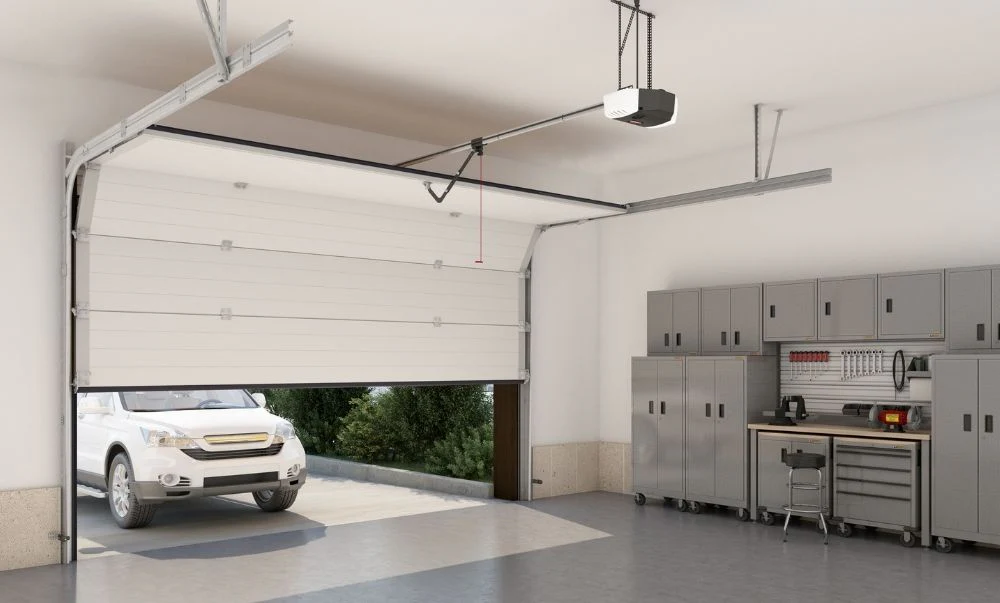
What Is a Balanced Garage Door?
Before we dive into tests and inspections, it’s important to answer the question: What is a balanced garage door?
A balanced garage door is one that can be lifted manually and stays in place when positioned at any height. This happens because the springs, which counterbalance the door’s weight, are set correctly. When springs are properly adjusted, the opener only assists in movement rather than carrying the full weight of the door.
When balance is off, you’ll notice that the door either drops quickly when released, feels too heavy to lift, or rises unevenly. This imbalance stresses not only the springs but also the garage door opener, leading to premature wear. Knowing the basics of balance helps you understand why regular garage door balance checks are essential for safe operation.
Signs Your Garage Door Is Unbalanced
It’s not always obvious that a door is out of balance, but there are several common indicators. Here are some of the most noticeable signs your garage door is unbalanced:
- The door feels unusually heavy when opened by hand.
- The garage door won’t stay halfway open and either slams down or shoots up.
- One side of the door looks lower than the other.
- The opener struggles, makes grinding noises, or stops before fully lifting the door.
- The springs or cables appear strained.
If you notice one or more of these problems, it’s time to perform an unbalanced garage door test to confirm the issue. Ignoring these signs can lead to bigger garage door balance issues, including broken springs or a burnt-out opener.
Garage Door Balance Test
The garage door balance test is a simple way to evaluate the health of your system. Homeowners can do this without special tools, but it should be performed carefully.
Steps for the Garage Door Balance Test:
- Disconnect the opener – Pull the emergency release cord to separate the opener from the door.
- Lift the door manually – Raise it about halfway and then let go gently.
- Observe the door – A properly balanced door will stay in place.
- If it falls quickly, the springs don’t have enough tension.
- If it shoots upward, the springs are too tight.
This quick check reveals whether your door is properly balanced or not. If the door fails this test, you’ll need to consider a garage door balance adjustment.
How to Test Garage Door Balance Safely
Many homeowners ask: How to test garage door balance safely? While the steps are straightforward, safety should always come first. Springs are under extreme tension, and mishandling them can lead to injury.
- Always test balance with the opener disconnected.
- Keep your hands away from the springs and cables during testing.
- Perform the test slowly and avoid forcing the door.
- If you’re unsure or uncomfortable, skip the DIY inspection and call a professional.
The purpose of this test is not to fix the issue but to identify it. Once you’ve confirmed a problem, you’ll know whether you need professional garage door repair services.
Garage Door Spring Balance Test
The springs are the heart of the garage door’s balancing system, so a garage door spring balance test can provide more insight. This test is similar to the standard balance check but focuses on the springs’ role.
- Check visually for gaps or breaks in the coils.
- Observe whether the springs are stretched unevenly.
- If you see one spring carrying more load than the other, it indicates imbalance.
If the springs are damaged, adjustment or replacement is necessary. However, adjusting torsion or extension springs is not a safe DIY project. Because of the tension involved, professional technicians are best equipped to handle it.
Garage Door Balance Issues and Risks
When left unchecked, garage door balance issues can cause more than just inconvenience. They create a chain reaction of problems:
- Increased opener strain – The motor works harder, leading to early burnout.
- Damage to tracks and rollers – Uneven weight distribution bends metal parts.
- Safety hazards – An unbalanced door can slam shut unexpectedly, risking injury.
- Costly repairs – Ignoring balance issues often leads to broken springs or cables.
This is why experts recommend performing a garage door balance check at least twice a year, especially if your garage door is used daily. Preventive checks keep small issues from turning into expensive repairs.
How to Balance Your Garage Door
If your tests reveal problems, the next step is figuring out how to balance your garage door. While minor adjustments like lubricating rollers and tightening loose hardware are safe for homeowners, balancing springs should not be attempted without proper training.
Here’s what professionals usually do during a garage door balance adjustment:
- Measure the weight of the door to determine correct spring tension.
- Adjust torsion springs by carefully winding or unwinding them.
- Re-align extension springs and ensure cables have even tension.
- Re-test the door balance after adjustments are complete.
This process requires specialized tools and experience, which is why DIY adjustments are not recommended. Instead, homeowners should focus on identifying problems and scheduling repairs promptly.

How to Check Garage Door Balance at Home
You don’t have to be a technician to know when something’s wrong. Here are safe tips on how to check garage door balance at home:
- Perform the manual lift test twice a year.
- Watch for uneven movement during daily use.
- Listen for grinding or straining noises from the opener.
- Look for visible wear on springs, cables, and tracks.
These simple observations can alert you to problems before they escalate. A quick unbalanced garage door test helps you decide if it’s time to call a professional.
Garage Door Balance Adjustment – DIY or Pro?
Homeowners often wonder if they can handle a garage door balance adjustment on their own. The short answer: adjusting or replacing springs is not a safe DIY job. The risks include:
- Severe injury from high-tension springs snapping.
- Further damage to the door system if adjustments are incorrect.
- Voiding warranties if unlicensed work is done.
For most people, the best option is to perform regular garage door balance checks and leave adjustments to licensed technicians. Professionals have the right tools and training to complete the job safely and effectively.
Conclusion
Maintaining a balanced garage door is key to both safety and long-term performance. By knowing how to check garage door balance, recognizing the signs your garage door is unbalanced, and performing a simple garage door balance test, you can catch issues early.
Remember: while DIY inspections are safe and helpful, adjustments to springs or cables should always be left to professionals. If you suspect garage door balance issues, don’t wait until the opener fails or the door becomes unsafe. Contact a trusted technician to perform a garage door balance adjustment and keep your door running smoothly.