A garage door that slams down is not only alarming—it’s a serious safety hazard. A slamming door can damage your vehicle, bend the door panels, strain the opener, or cause injury to anyone nearby. When the garage door won’t close smoothly or drops rapidly, it is a sign that a critical component of the system is failing. According to industry associations like IDA (International Door Association) and DASMA (Door and Access Systems Manufacturers Association), most cases involve springs, cables, track misalignment, or opener setting errors. This guide explains why garage door slams shut unexpectedly, how to identify the root cause, and what steps are safe for homeowners versus what must be handled by a professional.
Many homeowners assume the opener controls the entire weight of the door, but this is not true. The springs—not the opener—carry the load. When springs fail or lose tension, the opener can no longer control downward motion, causing the garage door to drop too fast. If you’re experiencing garage door closing problems, especially rapid movement or slamming, you should treat the issue as a priority. A malfunctioning door is not only inconvenient but also a major garage door safety issue that can escalate quickly without proper diagnosis.

Spring Problems — The Most Common Cause of a Slamming Garage Door
Most cases of a garage door slamming shut are related to spring failure. Garage doors weigh between 120–300 pounds, and the springs are engineered to counterbalance that weight. When they lose tension or break, the door becomes heavy and unmanageable. Understanding garage door spring failure symptoms helps pinpoint the issue early.
Torsion Spring Issues
Torsion springs, located above the door on a metal shaft, work by storing torque as the door moves. When tension decreases or a spring snaps, it can no longer support proper movement. The door may free-fall, slam, or become difficult to control. DASMA technical bulletins highlight torsion spring fatigue as one of the leading causes of sudden, uncontrolled door drops.
Symptoms include:
- Loud popping noise
- Visible gap in the spring coil
- Door becomes too heavy to lift manually
- Slamming even during powered closing
A broken torsion spring requires immediate repair. Homeowners should never attempt garage door spring adjustment themselves—this is a high-risk procedure. If you’re in an area with local specialists, contacting a provider that performs Huntington Beach garage door springs repair ensures proper diagnosis and calibrated replacement under safe conditions.
Extension Spring Issues
Extension springs run along both sides of the door. When they stretch unevenly or break, the door may slam on one side or drop violently. Safety cables should theoretically catch a broken extension spring, but if they’re missing or worn, the door behavior becomes unpredictable.
Comparison Chart (Torsion vs. Extension Spring Problems):
| Issue | Torsion Spring | Extension Spring |
|---|---|---|
| Cause of slamming | Loss of torque | Loss of tension on one or both sides |
| Typical symptoms | Heavy door, slamming, loud bang | Door shifts sideways, slams unevenly |
| Safety risk | Very high | High |
| DIY repair? | No | No |
If spring issues are confirmed, you should stop using the door immediately and call a technician.
Cable or Track Issues — Secondary Causes of a Slamming Door
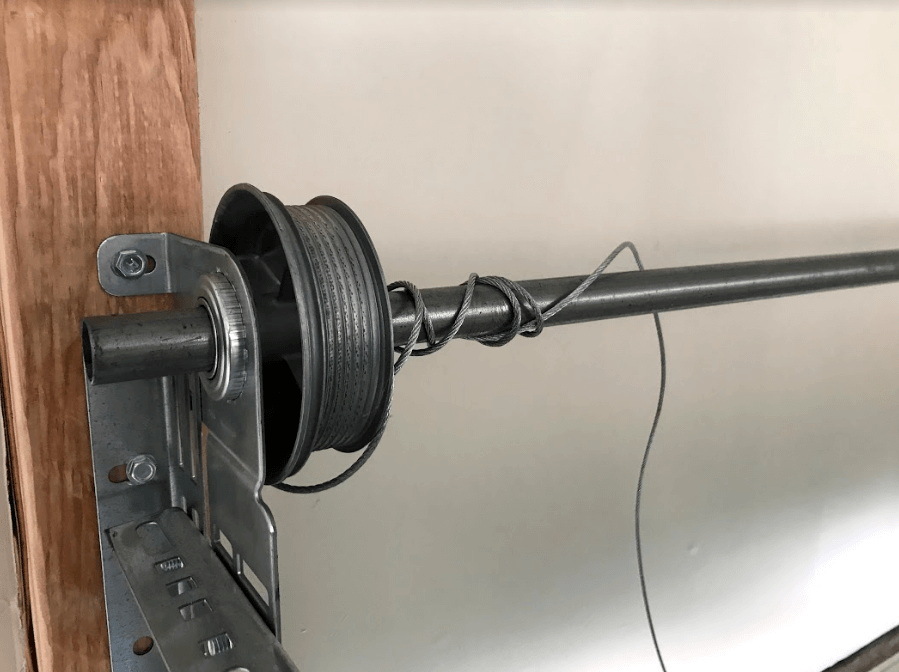
If springs are not the problem, the next likely causes involve cables or tracks. The garage door cable works together with the springs to support the lift mechanism. When a cable frays, comes off the drum, or snaps entirely, the door loses its balancing force. This can cause inconsistent movement or a sudden drop during closing.
Cable Problems
Cables undergo wear and tear and may corrode, fray, or loosen over time. When a cable fails:
- The door may drop unevenly
- One side may slam while the other stays elevated
- Panels may twist or bend
- The opener strains during operation
Any cable issue should be treated as an emergency. Because cables hold significant tension, homeowners should not attempt removal or installation. DASMA guidelines classify cable repairs as “high-risk procedures,” requiring specialized tools and protective handling.
Track Misalignment or Damage
If the tracks are bent, obstructed, or misaligned, the roller wheels can’t glide properly. The door may catch at certain points then suddenly drop once it breaks free. Misalignment creates increased friction, placing extra stress on springs and cables.
Signs of a track problem include:
- Scraping sounds
- Jerky door movement
- Visible gaps between track and rollers
- Door leaning or not closing evenly
Comparison Table: Cable vs. Track Problems
| Issue | Cable Failure | Track Misalignment |
|---|---|---|
| Movement effect | Door drops suddenly | Door jerks or shifts |
| Safety level | Very high | Medium |
| Repair difficulty | High | Moderate |
| DIY-friendly? | No | No |
If you suspect either issue, it’s best to call a local garage door company for a professional inspection before further damage occurs.
Opener Settings and Mechanical Issues
Sometimes the opener itself contributes to the door slamming. While the opener is not designed to support the door’s weight, it does control closing speed and force. If incorrect settings are applied, the opener may push the door down too aggressively.
Incorrect Downward Force Setting
Modern openers have a force control setting that determines how much pressure the motor applies when lowering the door. If the force setting is too high, the opener may overpower the door’s natural descent, causing slamming.
Common warning signs:
- Door reverses only halfway down
- Door slams when near the bottom
- Excessive motor noise during lowering
Because incorrect settings can mask deeper balance issues, adjust with caution.
Limit Setting Problems
The limit setting controls how far the door travels before stopping. If set too far downward, the opener will continue running after the door reaches the ground, causing the door to press and then slam under tension.
Comparison: Downward Force vs. Limit Setting Problems
| Setting | Effect | Danger Level | DIY Adjustment? |
|---|---|---|---|
| Downward Force | Door pushed too quickly | Medium | Possibly safe |
| Limit Setting | Motor forces door downward | Low–Medium | Safe with manual |
However, if limit settings fail repeatedly, the likely underlying issue is improper balance or a spring problem. In such cases, no amount of setting adjustments will prevent the garage door dropping too fast.
Door Balance Issues and System Strain
A properly balanced garage door can stay in place when lifted halfway. If your door cannot maintain this position, balance issues are very likely. Springs lose tension over time, which leads to imbalance and unpredictable movement. This condition increases strain on the opener, rollers, and tracks, eventually leading to slamming.
How to Check Door Balance Safely
Homeowners can safely perform a balance check:
- Disconnect the opener.
- Lift the door manually to waist height.
- Release it gently.
If it falls quickly or rises uncontrollably, imbalance is confirmed. In such cases, garage door spring adjustment is required—but this should never be performed by homeowners due to the high tension involved. Professionals use calibrated tools to retension springs, something unsafe for non-trained individuals.
Another sign of imbalance is uneven closing. When one side of the door dips lower, the strain on the rollers and cables increases. This imbalance often leads to premature component failure and makes the system increasingly likely to slam shut.
When to Call a Technician (And Why You Should Not Delay)
Because a slamming garage door indicates a serious issue, repairs should never be postponed. Whether you notice strange noises, rapid dropping, or imbalance, it is important to schedule service promptly.
Situations That Require Immediate Professional Care
- Broken spring (visible gap)
- Snapped cable
- Door slams suddenly during closing
- Door becomes extremely heavy
- Door leans or twists while lowering
- Loud bangs during operation
In areas where professional help is readily available—such as Huntington Beach garage door springs repair specialists—homeowners can quickly schedule safe, accurate repairs. Trying to fix a garage door that slams down on your own can lead to injury or further mechanical damage.
A good technician will:
- Diagnose the exact cause
- Replace or calibrate springs properly
- Inspect and correct cable issues
- Realign tracks
- Reset opener force and limit settings
- Perform a complete safety check
A garage door slamming shut is more than an inconvenience—it’s a warning that a critical part of the system is failing. Spring fatigue, cable damage, track misalignment, and opener settings are the most common triggers. Regular inspection, lubrication, and balance checks can help prevent sudden failure. When technical repairs are necessary, calling a qualified expert ensures safety and long-term reliability.